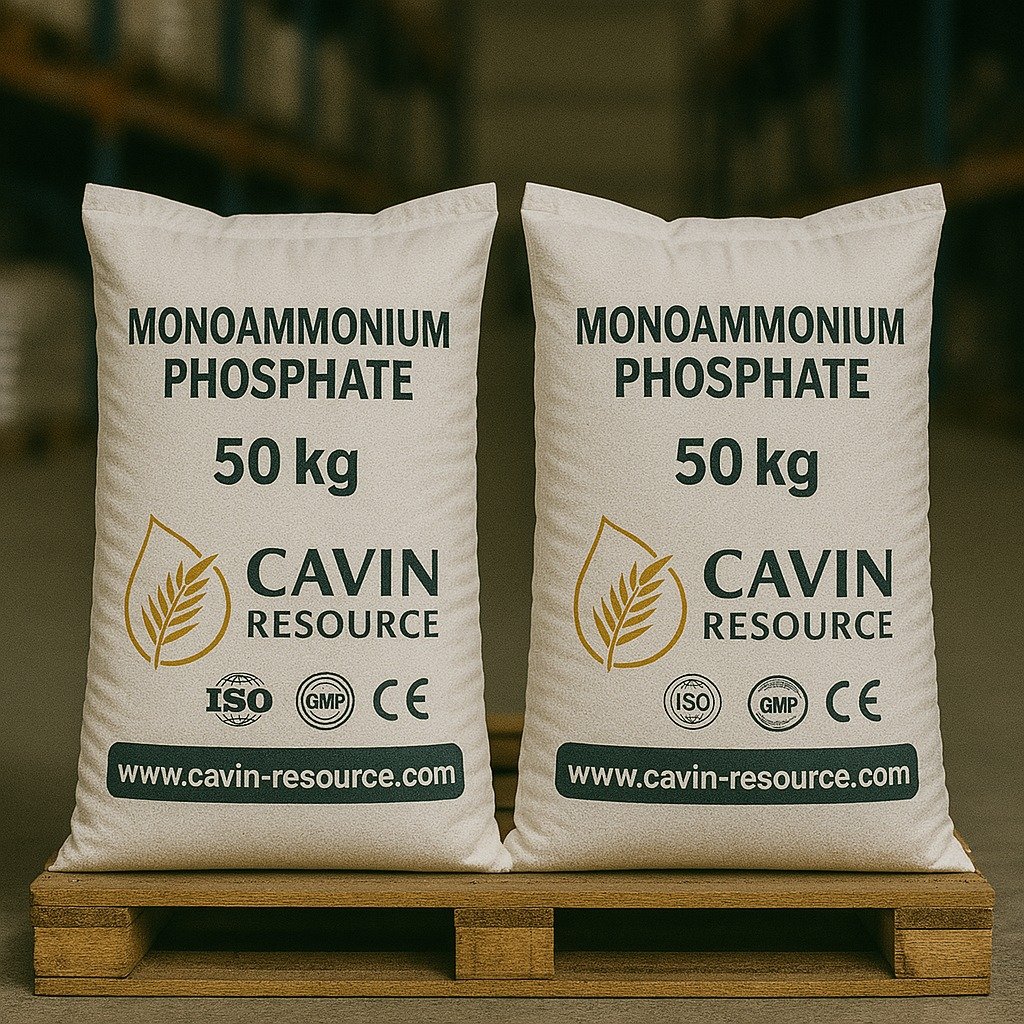
Monoammonium ammonium phosphate (MAP denotes a highly concentrated soil amendment prized for its distinct composition . This crystalline substance , typically referred to as 11-52, delivers significant amounts of P – crucial for root growth – alongside a decent level of nitrogen . The lack of potassium oxide results in to its targeted role in farming where phosphorus needs remain most important.
The Is 11-52-0 Blend? A Comprehensive Guide
11-52-0 fertilizer is a specific form of mixture primarily used to promote phosphorus uptake in growth. The numbers, 11-52-0, represent the percentage by weight of nitrogen, phosphorus, and K2O, respectively. In other copyright, it contains 11% nitrogen, a substantial 52% phosphorus, and 0% potassium. This high-phosphorus content makes it particularly valuable for establishing new seedlings and addressing P lack in the earth. While it offers significant benefits, remember that it lacks K, so a balanced fertilizer may be needed for overall crop health.
NPK 11-52-0: Perks and Employments in Crop Production
MAP 11-52-0, or MAP , is a potent fertilizer widely utilized in contemporary agricultural practices . Its distinctive composition – containing 11% nitrogen and 52% phosphate – provides essential nutrients for vegetation growth and development . Growers often utilize MAP 11-52-0 to boost initial development, stimulate early fruiting, and improve overall harvest.
- Promotes strong root systems.
- Crucial for early crop development.
- Facilitates in generating superior crops .
Maximizing the Potential of MAP Fertilizer Product
MAP offers significant pathway for enhancing plant yields . Its high concentration of both phosphate and N makes it the preferred solution for diverse growers , particularly in starter stages of development . Careful application of this fertilizer can promote healthier root development and enhanced overall agricultural health .
Monoammonium Phosphate Application
Monoammonium MAP (11-52-0) is a effective nutrient source known for its capacity to maximize plant yields . This particular mixture delivers a substantial concentration of P - critical for root growth and initial development - alongside a useful amount of N for healthy foliage emergence. Using MAP correctly can lead to marked advantages in overall crop productivity.
Monoammonium Phosphate {11-52-0: Your Questions Addressed
Many map monoammonium phosphate producers have questions about MAP, particularly regarding its composition of 11-52-0. Essentially, this indicates the percentage of total nitrogen, P2O5, and potassium oxide respectively. It’s a highly water-soluble source of phosphate, crucial for root growth and flowering. Let's examine some common topics:
- What is the upside of using MAP? It offers a concentrated dose of phosphorus, which is be particularly advantageous in soils deficient in phosphorus.
- How should apply MAP? It’s typically broadcast and mixed in the soil, or used in fertigation systems.
- Is it possible to combine MAP with other products? While compatible with some, carefully check compatibility to avoid issues.
Note that a soil analysis is always important to establish the specific nutrient requirements of your produce.